Japan’s Mie Prefecture Courts Taiwanese Chipmakers With Offshore Wind Push
2026/01/13
Japan’s Mie prefecture is seeking to build a new semiconductor-focused industrial cluster by tapping offshore wind power, aiming to secure stable electricity supplies and attract both domestic and overseas manufacturers.
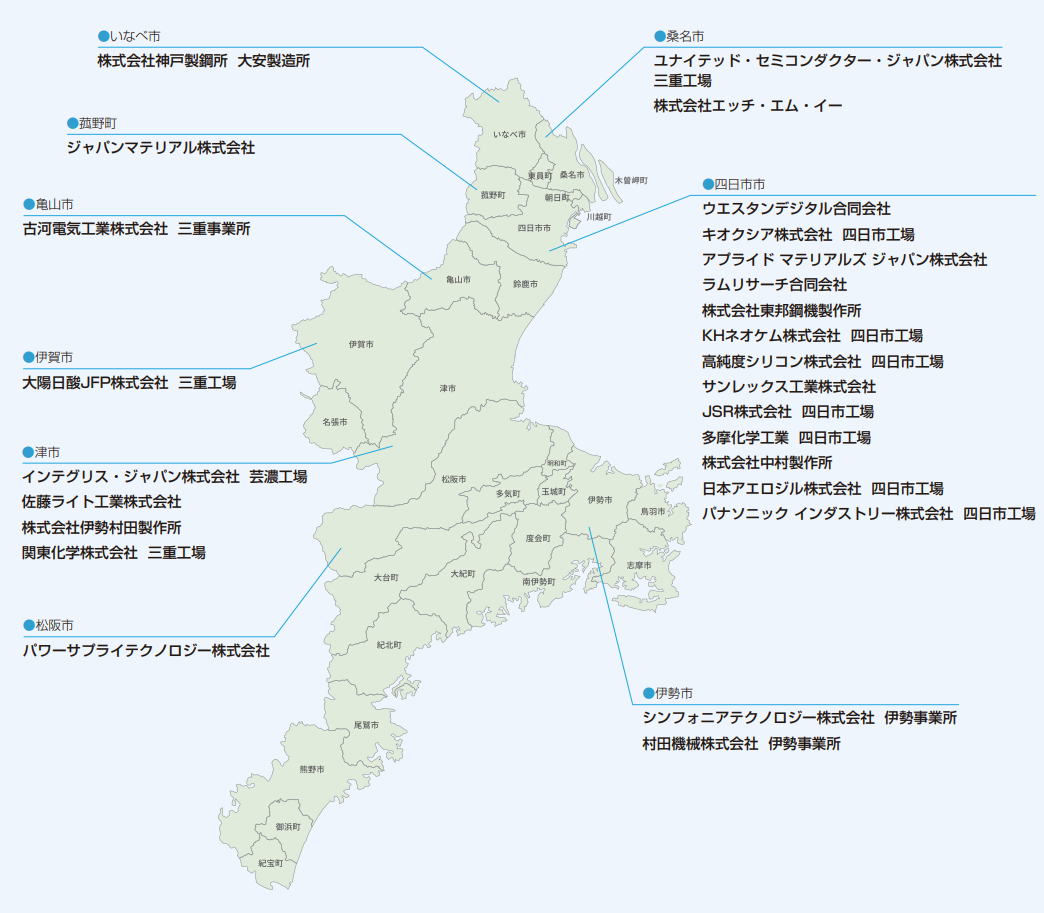
Mie prefecture already hosts major semiconductor operations, including Kioxia Holdings’ Yokkaichi plant. Government data show that shipments of electronic components, devices and circuits—including semiconductors—have ranked first nationwide for more than two decades, underscoring Mie’s position as one of Japan’s core chipmaking regions.
Governor Katsuyuki Ichimi said Mie prefecture plans to promote offshore wind development along its eastern coastline to meet the heavy power demands of semiconductor fabs. Rather than concentrating growth solely around Yokkaichi, long the industry’s hub, Mie aims to expand industrial development across a broader coastal area.
Corporate investment in Mie prefecture backed by subsidies from the Ministry of Economy, Trade and Industry of Japan totaled ¥814.2 billion over the past five years, a level that stands out given Mie’s population size. Mie prefecture is also one of five regions designated by the national government as strategic semiconductor promotion zones, due to its strengths in power supply, water resources and skilled labor.
Mie’s location places it within easy reach of central Japan’s automotive manufacturing base and the Kansai region’s electronics industry, offering proximity to major end markets for chips. As Chinese manufacturers intensify competition in electric vehicles, Japan government has become increasingly wary of Japan’s economic reliance on the automobile industry, elevating semiconductors to a priority industry for growth and economic security.
Against this backdrop, Mie is stepping up its outreach to Taiwanese chipmakers. Global foundry capacity is heavily concentrated in Taiwan and South Korea, while Taiwanese companies have been moving to diversify their overseas production. Ichimi said he hopes Mie could emerge as a “second hub” for Taiwanese manufacturers, following Kumamoto.
The governor said he has met executives from Taiwan’s United Microelectronics Corp. (UMC), and that company representatives have visited Kuwana City in northern Mie. UMC is also working with auto-parts maker Denso on projects in Kuwana, including the production of automotive power semiconductors.
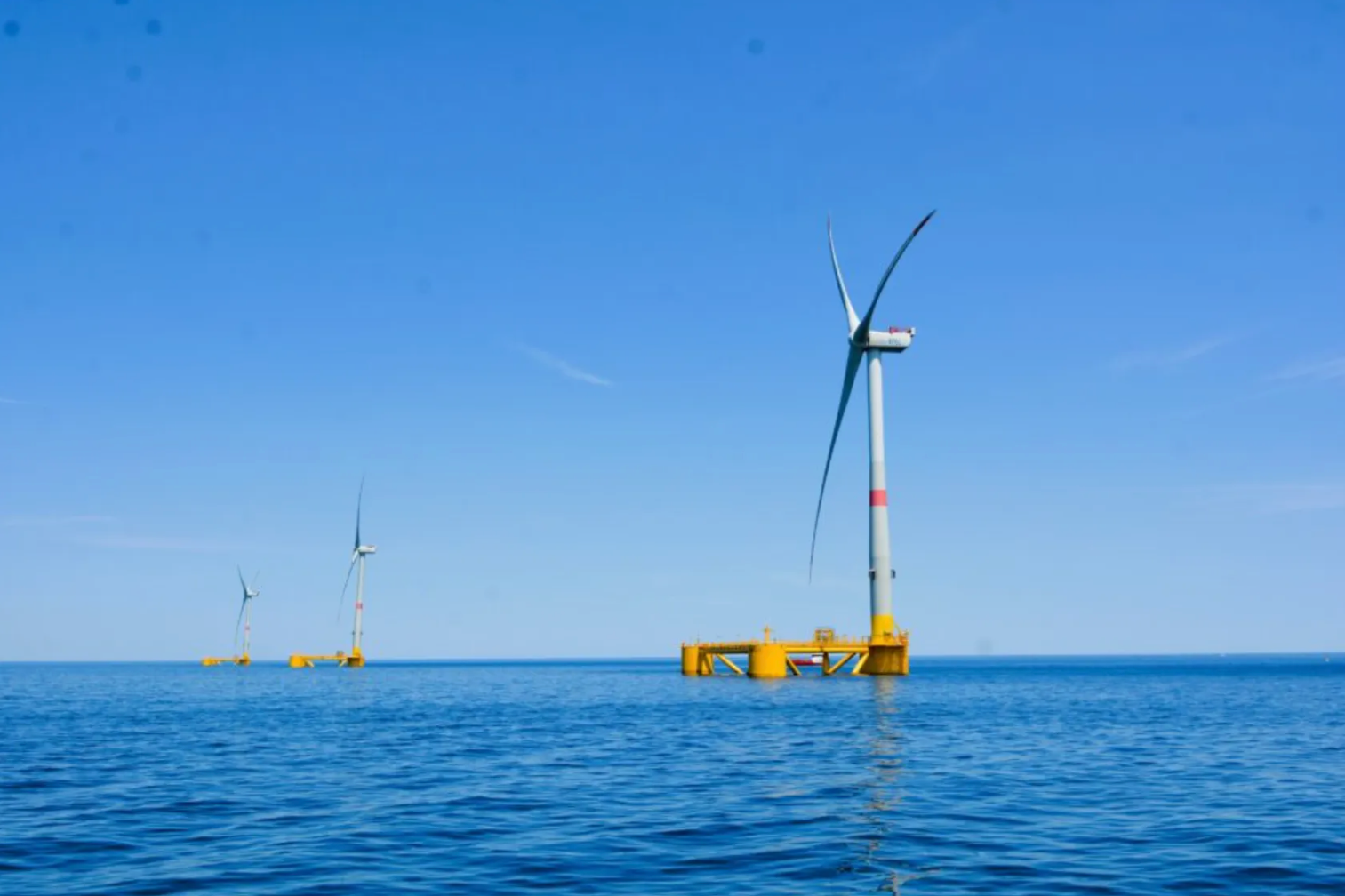
With its eastern coast facing Ise Bay, Mie sees offshore wind as a practical long-term option for securing electricity. Mie plans to have further study on offshore wind power while coordinating power generation sites with potential fab locations, with the aim of broadening semiconductor-related industrial clusters along the coast.
(Sources: Nikkei; Mie-ken semiconductor PR materials)