CPC Accelerates Energy Transition Strategy on 80th Anniversary, Expands SAF, Hydrogen and Geothermal Initiatives
2026/06/04
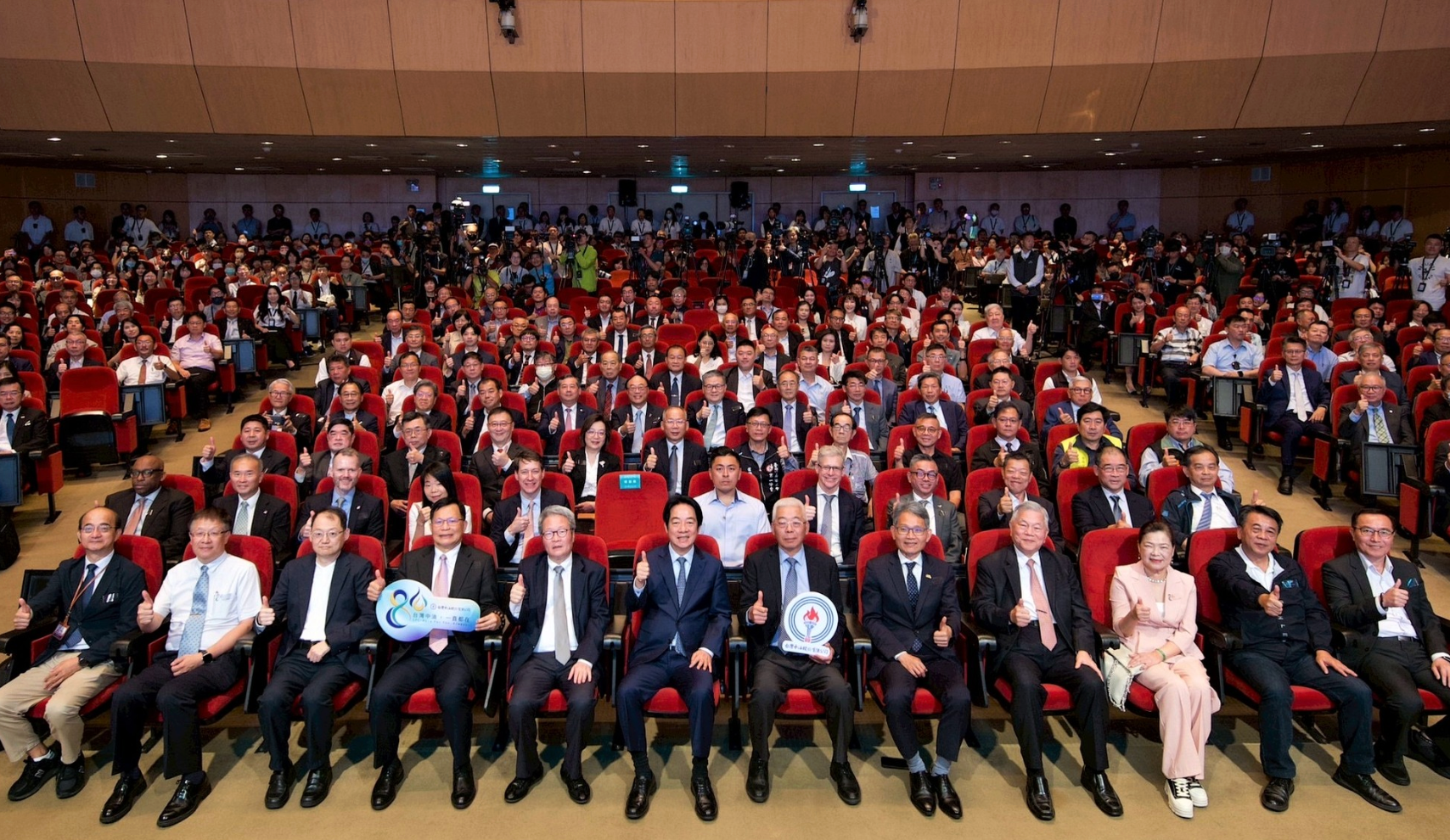
President Lai Ching-te attended CPC Corporation, Taiwan’s 80th Anniversary Celebration Ceremony. Photo source: CPC Corporation, Taiwan.
Taiwan’s state-owned energy company, CPC Corporation, Taiwan, marked its 80th anniversary on June 1 with a commemorative ceremony highlighting its long-term strategy for energy security and decarbonization. Chairman Fang Chen-jen stated that amid the global energy transition and growing supply chain uncertainties, CPC will begin supplying Sustainable Aviation Fuel (SAF) and B24 marine biodiesel in the second half of the year while accelerating investments in geothermal power and hydrogen infrastructure.
To strengthen Taiwan’s energy supply resilience, CPC continues to expand its natural gas infrastructure. Key projects include Phase II of the Third LNG Receiving Terminal, the third and fourth expansion phases of the Taichung LNG Terminal, and the development of the Intercontinental LNG Terminal. These projects are expected to increase LNG receiving, storage, and transportation capacity, enhancing supply flexibility and supporting future industrial and residential energy demand.
In the clean energy sector, CPC has completed the construction of a hydrogen refueling demonstration station in Nanzih, Kaohsiung, while equipment at the Tuchang Geothermal Power Plant in Yilan has successfully completed trial operations. The company views these projects as important milestones in advancing the commercialization of emerging low-carbon energy technologies and strengthening Taiwan’s energy transition framework.
CPC has also reported significant progress in reducing its carbon footprint. Over the past five years, the company has reduced nearly 600,000 metric tons of carbon dioxide emissions through various decarbonization initiatives. As CPC transforms from a traditional oil and gas company into a diversified energy provider, carbon reduction has become a key component of its long-term corporate strategy.
Looking ahead, Chairman Fang emphasized the role of artificial intelligence in enhancing operational efficiency and safety. CPC plans to integrate AI technologies into equipment management, process optimization, and workplace safety systems, while working closely with industry partners to promote low-carbon transformation across the energy value chain.
As governments and businesses seek to balance energy security with climate objectives, CPC is pursuing a multi-layered energy strategy that combines natural gas, hydrogen, geothermal power, and biofuels. The company’s investment direction is expected to play a significant role in shaping Taiwan’s future energy landscape and supporting the island’s pathway toward net-zero emissions.